

Learn how to cook artichokes the simple, authentic French way. This step-by-step guide includes ingredients, substitutions, expert tips, wine pairings, storage instructions, FAQs, and everything you need to prepare perfectly tender artichokes every time.
When served cold, they are suitable as a separate course, as a starter, or as a salad. Here is a delicious, simple Artichoke Salad With Hearts for you to delight in!

🔍 Quick Look: How To Cook Artichokes
- ⏱️ Prep Time: 15 minutes | Cook Time: 40 minutes
- 🕒 Total Time: 55 minutes
- 👥 Servings: 4
- 📊 Calories: ~120 kcal per serving (based on nutrition panel)
- 🔥 Cook Method: Stove Top
- 👩🍳 Flavor Profile: A distinct flavor profile described as nutty, earthy, and slightly sweet, often compared to a blend of asparagus, celery, and Brussels sprouts, with a tender, creamy, or "buttery" texture.
- ⭐ Difficulty: Easy: follow the preparation instructions as they are important.
SUMMARIZE & SAVE THIS CONTENT ON
About Artichokes
The artichoke is in season between spring and early summer for peak flavor.
They should be a lovely green color with tight clinging fleshy leaves - so if the leaves are spreading and a bit fuzzy, they are becoming too old! The stem should also be nice and fresh and green.
They can be eaten hot or cold and are a great vegetable to use for yourself, your family, or for entertaining friends.
Jump to:
- 🔍 Quick Look: How To Cook Artichokes
- About Artichokes
- Why You'll Love This Recipe
- Why You'll Love How To Cook Artichokes
- Key Ingredients
- How To Shop For Artichokes
- French Cooking Secrets From My Kitchen To Yours
- Substitutions
- How To Cook Artichokes
- French Cooking Tips
- How To Eat And Serve Steamed Artichokes
- Wine Pairing
- How To Cook Artichokes FAQ
- 🥂 What To Pair With Steamed Artichokes
- 📖 Recipe
- 💬 Comments
Why You'll Love This Recipe
- It's the easiest, most foolproof method for cooking whole artichokes.
- The flavor is natural and beautifully French - no fuss, just good technique.
- Perfect for beginners who want to master a classic.
- A wonderful starter for dinner parties (your guests will be impressed).
- Works with any size artichoke - from petite violettes (a variety of small, conical-shaped artichokes with violet-tinged leaves) to big globe artichokes.
- Naturally gluten-free, dairy-free, and endlessly versatile.
Important Note About What Is Commonly Believed About Artichokes
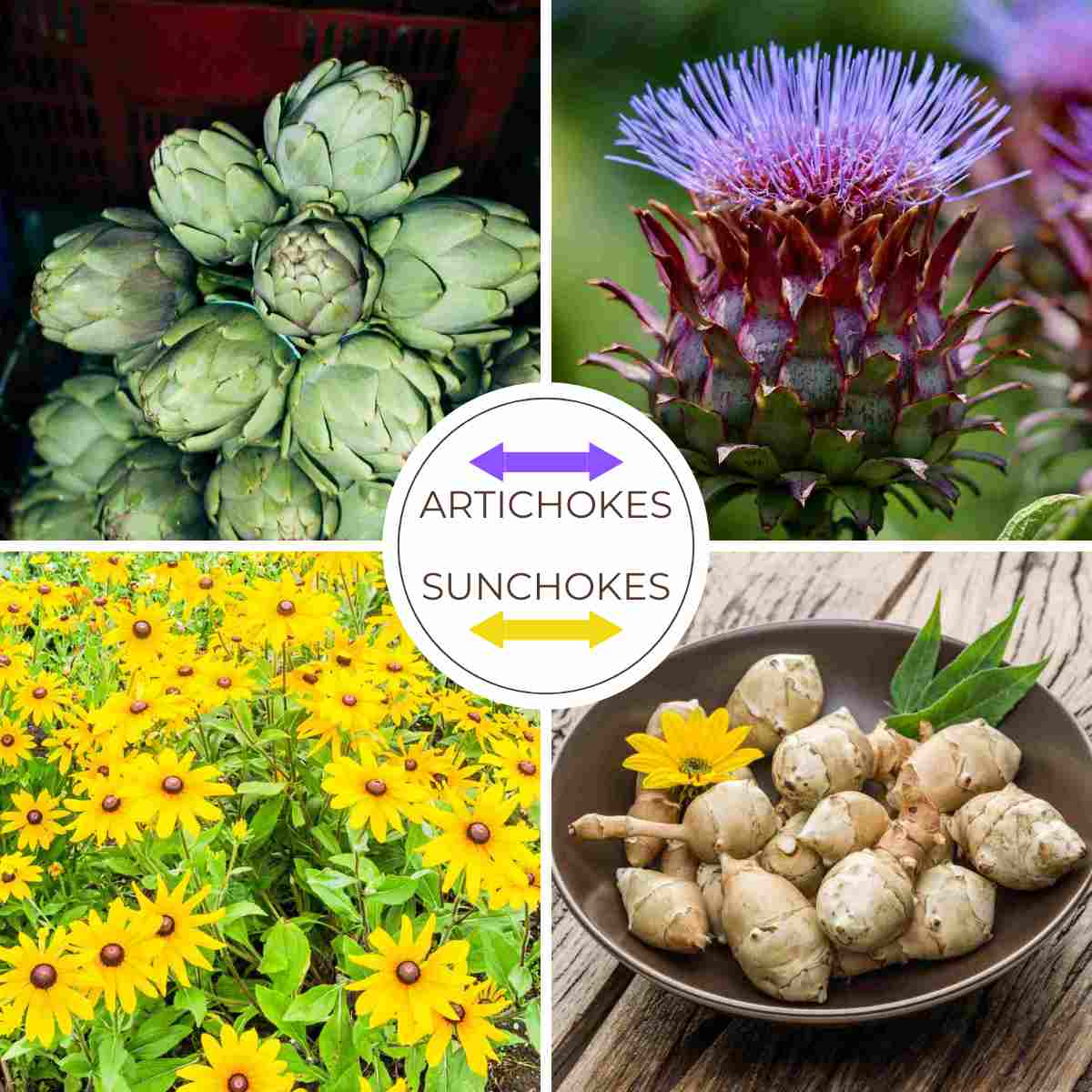
The Jerusalem artichoke, becoming better known today as the sunchoke, is not an artichoke at all! It's the underground rhizome of a North American sunflower, long harvested and traded by the Indigenous Peoples before Europeans adopted it and carried it back across the Atlantic.
France, in particular, embraced it, and it remains a familiar ingredient there today. Germany even distills it into a spirit called Rossler.
Sunchokes, also known as earth apples or sunroots, wild sunflower, or topinambur. They store their carbohydrates as inulin rather than starch, which the body turns into sugar, making them a helpful alternative to potatoes for people managing diabetes. They're also rich in iron, potassium, and thiamin.
The name "Jerusalem artichoke" likely originates from early Italian settlers, who referred to the plant as girasole, meaning "sunflower." Over time, girasole articiocco ("sunflower artichoke") morphed into "Jerusalem artichoke."
NOTE: A small warning: once planted, they spread quickly. It can take years to confine them to a far corner of the garden. They're delicious, but they're determined.
Why You'll Love How To Cook Artichokes
- 𑣲 It's the easiest, most foolproof method for cooking whole artichokes.
𑣲 The flavor is natural and beautifully French - no fuss, just good technique.
𑣲 Perfect for beginners who want to master a classic.
𑣲 A wonderful starter for dinner parties (your guests will be impressed).
𑣲 Works with any size artichoke - from petite violettes (a variety of small, conical-shaped artichokes with a ting of violet-tinged leaves) to big globe artichokes.
𑣲 Naturally gluten-free, dairy-free, and endlessly versatile.
Key Ingredients
- Artichokes: Choose ones that feel heavy for their size, with tightly packed leaves. If they squeak when squeezed, they're fresh.
- Lemon: Prevents browning and adds a subtle brightness.
- Garlic + herbs: These infuse the cooking water, giving the artichokes a delicate aromatic flavor.
- Salt: Don't skimp - artichokes need seasoning from the inside out.
How To Shop For Artichokes
ꪜ Choose firm, heavy artichokes with tightly closed leaves close to the heart. As mentioned above, fresh ones often squeak when you press on them.
ꪜ Loose leaves are an indication that it is old, and the flower is developing.
ꪜ Once the flower is emerging, it is too late to consume.
ꪜ Check there are no black spots on the leaves.
ꪜ Look for moist stems, as this is an indication that it is fresh.
ꪜ Store raw artichokes in the refrigerator unwashed in a loose bag for up to 5 days.
French Cooking Secrets From My Kitchen To Yours
- The best artichokes are the simplest - don't overcomplicate them.
- Rubbing with lemon before cooking is a bonus; it's the difference between elegant and oxidized (which have turned brown).
- Save the stems! Peel them and cook alongside the globes - they're delicious.
Substitutions
- No lemon? Use white wine vinegar in the water.
- No thyme? Try rosemary, tarragon, or parsley stems.
- Garlic-free version: Skip it - the artichokes will still shine.
- For extra richness: Add a splash of white wine to the cooking water.

How To Cook Artichokes
- Prep the artichokes:
• Rinse well under cold water.
• Trim the stem so the artichoke sits flat. (But, don't toss them as they can be peeled and cooked with the whole artichokes and are delicious to eat.)
• Remove tough outer leaves.
• Slice off the top 1-2 cm of the artichoke.
• Rub all cut surfaces with lemon to prevent browning. - Optional trimming:
• Use scissors to snip the pointy tips of the remaining leaves to prevent poking fingers. - Prepare the cooking water:
• Fill a large pot with water.
• Add lemon halves, garlic, bay leaf, thyme, salt, and pepper if desired. - Cook the artichokes:
• Place artichokes in the pot, stem-side down.
• Cover and bring to a gentle boil.
• Reduce heat and simmer 25-45 minutes, depending on size.
• They're done when a leaf pulls out easily. - Drain + serve:
• Turn them upside down to drain well.
• Serve warm, room temperature, or chilled.
French Cooking Tips
- Always cook artichokes in well-salted water - they absorb flavor like sponges.
- Don't rush the simmering; slow cooking = tender leaves.
- If serving chilled, drain thoroughly so they don't become watery.
- For extra flavor, add a splash of white wine to the cooking water.

How To Eat And Serve Steamed Artichokes
If you have followed the instructions above, they are now ready to eat if you want them hot. If you have not eaten an artichoke before, you have been missing out on a really good vegetable, and now you will know how delicious they are.
- Simply pull off one of the leaves and hold the tip in your fingers, dip the bottom in either melted butter or a sauce such as classic hollandaise sauce or blender mayonnaise. Now, scrape off the tender flesh between your teeth and savor the artichoke's flavor and freshness with the delicious sauce.
- When you come to the heart, you eat this with a knife and fork after discarding the hairy center bit or the choke. You don't have to remove the choke before serving, but it looks better if you do, and it saves your guests the trouble.
(If you want to remove the heart before serving, do this: simply open up the leaves until you can reach the center, and pull out the center cone in one piece, which will remove the choke, too. Now you can scrape off the choke (the hairy growth) so that you expose the tender fleshy heart.
Sprinkle the heart with salt and pepper, and put the cone of leaves upside down in the hollow. - You can use the chopped artichoke hearts in many other dishes, like salads with artichoke hearts.
- Or, simply roast the artichoke hearts with a drizzle of olive oil and a sprinkle of your favorite crushed herbs like Herbes de Provence or Fines Herbes.
- For serving your artichokes hot, you can have sauces such as hollandaise, a lemon sauce, or simply melted butter for dipping the parts of the vegetable in.
- To serve them cold, use a dressing from this list: vinaigrette dressing list, a delicious mustard dressing can be found on that list too, or simply a good make at home mayonnaise.
Wine Pairing
- Sauvignon Blanc - crisp, citrusy, perfect with its vegetal sweetness.
- Muscadet - light, mineral, beautifully French.
- Chablis - elegant and refined, ideal for dinner parties.
- Provence Rosé - beautiful to look at and refreshing!
How To Cook Artichokes FAQ
When a leaf pulls out with little resistance, and the heart is tender when pierced with a knife.
Absolutely. Artichokes are wonderful served chilled and can be cooked up to 24 hours ahead.
To cook artichokes you can boil, grill, braise, or bake artichokes. But my favorite way is to steam them with water in a pot that is halfway up the globe, and gently rolling with no lid. Boiling with a lid on them tends to water log them, and it is too easy to dry them out with the other three methods.
Artichokes in the fridge:
Store cooked artichokes in an airtight container for up to 3 days.
Keep them whole to prevent drying.
Artichokes in the freezer:
Not recommended, but if you must, only freeze cooked artichokes in an airtight container for up to a month. Heat from frozen.
🥂 What To Pair With Steamed Artichokes
These are my favorite dishes to serve with cooked artichokes or any main that needs a yummy side dish!
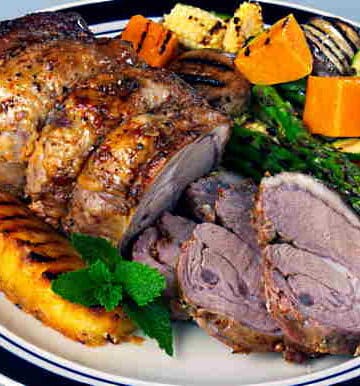


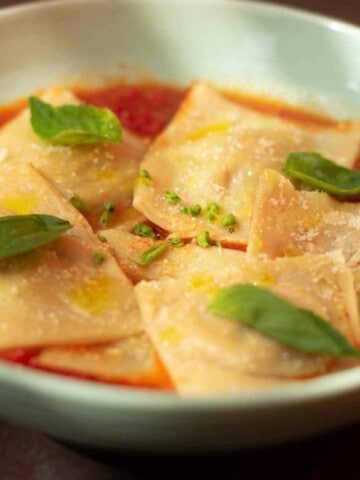
If you tried this guide on How To Cook Artichokes or any other recipe on my blog, please leave a 🌟🌟🌟🌟🌟 5-Star Rating and let me know how it went in the comments below. Très Bien!!!
For more great LoveFrenchFood recipes, be sure to follow me on Instagram, Pinterest, and Facebook.
📖 Recipe
Prep Like a Pro
Before you start cooking, chop, measure, and prep every ingredient, and gather your tools.
This simple habit reduces stress, prevents overcooking, and instantly improves your meals. Mise en Place - "Everything in its place."

How to Cook Artichokes The Classic French Way
Equipment
- Large pot with lid
- Sharp knife
- Kitchen scissors (optional, for trimming leaf tips)
- Tongs
- Cutting board
- Small bowl for lemon water
Ingredients
- 4 large fresh artichokes 1 for each person
- 1 lemon
- 2 garlic cloves lightly crushed
- 1 bay leaf
- A few sprigs of fresh thyme
- Sea salt
- Freshly ground black pepper
- Optional: a drizzle of olive oil or a knob of butter for serving
Instructions
How To Prepare Artichokes
- Remove the stem you can bend it at the base until it snaps off completely.
- Now break off any little leaves at the base of the artichoke.
- Trim the base with a sharp knife to enable it to stand upright.
- Trim the points from the other leaves with a scissors.
- Wash very well under running water.
- Place the artichokes in a bowl of cold water in which you have added one tablespoon of vinegar. This will prevent the artichokes from discoloring ( 1 tablespoon to 4 pints/8 cups of water)
- OR, rub the bottom and all over with lemon to preserve the color.
How To Cook Artichokes
- You will need a large pan of boiling salted water.
- Place the artichokes in the water and cook without a lid on for about 40 minutes - although a really large one can take up to an hour.
- You will know when they are ready as the leaves will pull out easily and the bottoms are nice and tender when you test them with a knife.
- Take them out immediately and drain upside down in a colander.
How To Eat Steamed Artichokes
- If you have followed the instructions above, they are now ready to eat if you want them hot.
- Simply pull off one of the leaves and hold the tip in your fingers, dip the bottom in either melted butter or a sauce you have chosen to have with them such as hollandaise sauce.
- Now, scrape off the gorgeous tender flesh between your teeth and savor the flavor and freshness of the artichoke.
- When you come to the heart - you eat this with a knife and fork after discarding the hairy center bit or the choke. You don't have to remove the choke before serving but it looks better if you do.
- If you want to do this, simply open up the leaves until you can reach the center and pull out the center cone in one piece. Scrape off the choke (the hairy growth) so that you expose the tender fleshy heart.
- Sprinkle the heart with salt and pepper and put the cone of leaves upside down in the hollow.
- For serving your artichokes hot, you can have sauces such as hollandaise sauce easy, lemon sauce, or simply melted butter.
- To serve them cold, use a dressing such as vinaigrette, a mustard dressing, or simply an easy mayonnaise recipe.
Notes
- Always cook artichokes in well-salted water; they absorb flavor like sponges.
- Don't rush the simmering; slow cooking = tender leaves.
- If serving chilled, drain thoroughly so they don't become watery.
- For extra flavor, add a splash of white wine to the cooking water.
- Rubbing the leaves with lemon is a bonus. It's the difference between elegant and oxidized.
- Save the stems! Peel them and cook alongside the globes; they're delicious.



Judith says
This great recipe will get you on track to preparing artichokes and trying new recipes regularly, because I have given you foundational instructions for how to prepare, cook, and eat artichokes. Artichokes are one of those amazing foods that are often overlooked, but once you are introduced to their amazing qualities, you will be hooked! ˚˖𓍢ִ໋🥬✧˚.💚⋆