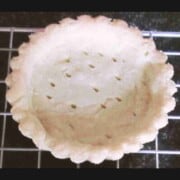
How To Make Pastry Dough Like A French Chef
Calories:
Notes
The Three Essential French Pastry Doughs
French baking relies on three classic shortcrust pastries. Each has its own texture and purpose, making it perfect for different recipes.
Cold butter creates tiny pockets of steam as the pastry bakes, giving you those lovely flaky layers everyone loves. If your kitchen is warm, chill your mixing bowl and flour beforehand. Don't Overwork the Dough
Mix the ingredients only until the dough comes together. Overmixing develops gluten, which makes pastry tough instead of tender. Rest the Dough
Wrap the dough and refrigerate it for at least 30 minutes before rolling. Resting relaxes the gluten, making the pastry easier to handle and helping prevent shrinkage during baking. Use Just Enough Flour
Dust your work surface lightly. Too much extra flour can dry the pastry and make it less tender. Roll Evenly
Turn the dough a quarter turn every few rolls to help maintain an even thickness and prevent sticking. Secrets For Making Foolproof French Pastry Recipes
- Pâte Brisée
Pâte brisée is the traditional French shortcrust pastry. It has a tender, flaky texture and is wonderfully versatile.
Because it contains very little sugar, it complements both savory and lightly sweet recipes beautifully. It's the ideal choice for:
Savory pies: French Onion Tart
Quiches: Seafood Quiche Recipe
Meat pies: Pork Apple Pie with Chestnuts
Vegetable tarts: Best Spinach Quiche Recipe
Fruit pies with juicy fillings such as plums or berries: Easy Plum Tart - Pâte Brisée Sucrée
This sweet version of pâte brisée contains a little sugar, creating a slightly richer pastry that's perfect for desserts.
It provides just enough sweetness without overpowering the filling. Use it for:
Lemon tarts: Citron Tart
Strawberry tarts: No-bake Cream Strawberry Tarts
Raspberry tarts: Raspberry Tarts with Crème Pâtissière
Apple tarts: Easy Apple Tart Recipe
Fresh fruit desserts: French Tarte Tatin - Pâte Sablée
Pâte sablée is richer and more delicate than the other two pastries. Once baked, it has a wonderfully crisp, almost biscuit-like texture that melts in your mouth. Because it's more fragile, it's usually reserved for sweet pastries where its buttery flavour can really shine. It's perfect for:
Elegant fruit tarts
Chocolate tarts
Custard tarts
Individual tartlets
Dessert pizzas

Cold butter creates tiny pockets of steam as the pastry bakes, giving you those lovely flaky layers everyone loves. If your kitchen is warm, chill your mixing bowl and flour beforehand. Don't Overwork the Dough
Mix the ingredients only until the dough comes together. Overmixing develops gluten, which makes pastry tough instead of tender. Rest the Dough
Wrap the dough and refrigerate it for at least 30 minutes before rolling. Resting relaxes the gluten, making the pastry easier to handle and helping prevent shrinkage during baking. Use Just Enough Flour
Dust your work surface lightly. Too much extra flour can dry the pastry and make it less tender. Roll Evenly
Turn the dough a quarter turn every few rolls to help maintain an even thickness and prevent sticking. Secrets For Making Foolproof French Pastry Recipes
- For all French pastry recipes, the ingredients are so important. We need to get it right. The French use a special low-gluten flour, but you can produce a good pastry using all-purpose flour if you cannot buy French flour.
- The French also use unsalted butter, and this gives a crisp texture, but you can use three parts butter to one part vegetable fat, which produces a light, crisp pastry to be proud of.
- You can either make your pastry by hand or in a food processor. However, it is really a good idea to make it by hand, to begin with, so as to learn the skill of making a good pastry, to get the feel of the pastry in your hands, and to learn the basics first. "Il faut mettre la main à la pâte!" Get your hands dirty!
- The most important part of making all French pastries is the hand mixing. You must work quickly and not handle the dough too long. This is to prevent it from getting warm, as you do not want the butter to soften too much. So, work with light fingers and very quickly.
- If you choose to make your pastry recipes in a food processor, do not overdo it; just mix for a short time, or the pastry will be hard.