

This homemade crème fraîche recipe is easy with just heavy cream and buttermilk! It is a simple French food that is rich, tangy, and perfect for extra smooth cream soups like creamy Vichyssoise Soup, and Fresh Pea Soup.
Also try these yummy recipes made with "cream fresh," as some refer to it, Classic Tarte Flambée, and Chicken With Apple Cream Sauce!
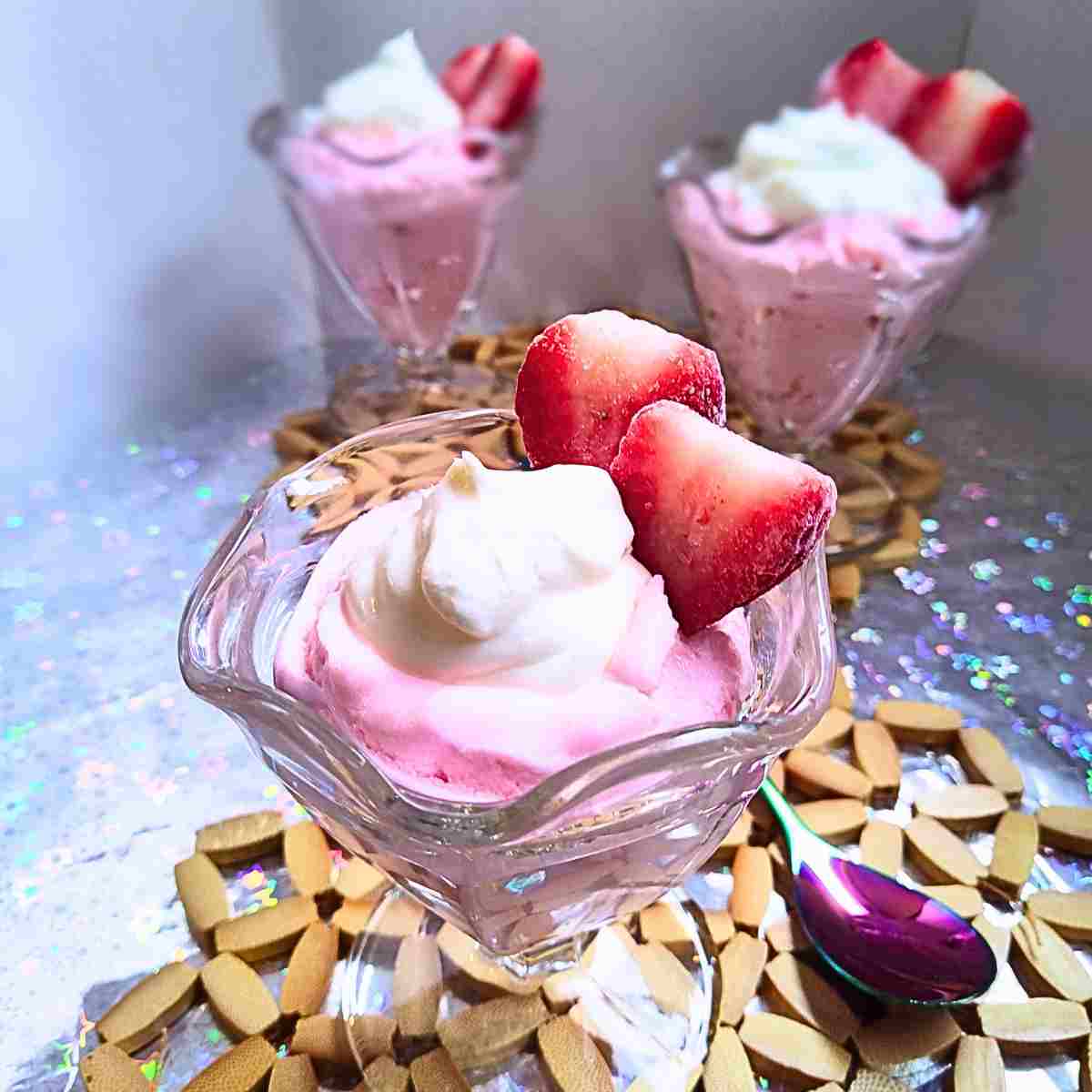
🔍 Quick Look: Crème Fraîche Recipe
- ⏱️ Prep Time: 5 minutes
- 🕒 Total Time: 12 hours 5 minutes
- 👥 Servings: 8
- 📊 Calories: ~206 kcal per serving (based on nutrition panel)
- 🔥 Cook Method: Culture for 12-24 hrs
- 👩🍳 Flavor Profile: French superior choice to sour cream, thick, rich, and velvety cultured cream with a slightly tangy, nutty, and mildly acidic flavor.
- ⭐ Difficulty: Easy: versatile, rich cream used to add tangy creaminess to both sweet and savory dishes. High fat content makes it heat-stable for adding to hot foods.
SUMMARIZE & SAVE THIS CONTENT ON
❤️ Why You'll Love This Recipe
But first...
What is crème fraîche?
It is like the French cousin of sour cream. But making it is so simple and easy, with just cream and buttermilk, a little patience, and voilà… silky, tangy, and heat-stable!
Unlike its sour cream relative, which often curdles when it hits hot food, this star of French cuisine can be dolloped on hot soup or swirled into sauces or spooned onto desserts for instant glamour without worry of spoiling! This is why French Chefs love it so much! ❤️
Save this recipe to have on hand when needed. It keeps for a long time as it is made with live buttermilk culture, which keeps it fresh longer.
- It's easy homemade crème fraîche-no fancy equipment, just patience.
- Ready in 12-24 hours after mixing.
- Rich, tangy, and versatile: the French cousin of sour cream but far more elegant.
- Elevates everything from French onion soup to chocolate mousse.
- Impress your guests when you say, "I made this French crème fraîche myself!"
Jump to:
📸Key Ingredients
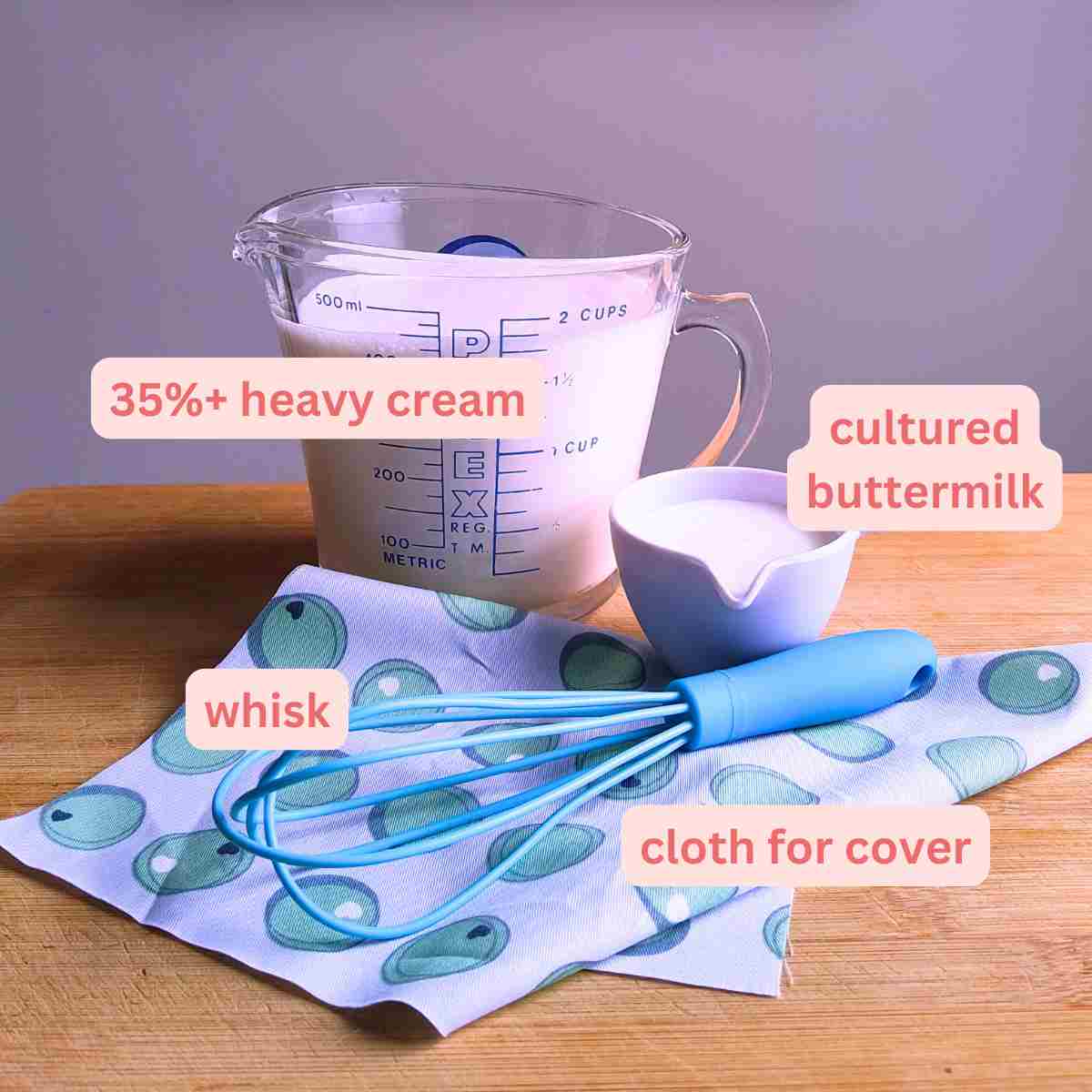
- Buttermilk with live cultures: This is the secret starter. Without cultures, you'll just have sad cream. (NOTE: Use less buttermilk for a thinner result and more for a firmer finish.)
- Heavy cream (35%+ fat): Anything less and your crème fraîche will be thin and disappointing.
NOTE: See recipe card for a full list of ingredients and quantities.
🔄Substitutions
- No buttermilk? Use plain yogurt or kefir milk with live cultures, which will alter the taste, but having said that, I have not tried this. (If you do, please let me know how it works.)
- No heavy cream? Try 35% whipping cream. (This is what I use; it works beautifully.) But avoid light cream-it won't thicken properly.
- Dairy-free? Coconut cream with a probiotic capsule can mimic the texture, some sources state (though it's not truly a French food, and I have not tried it, so I am not sure of the result).
🔢How to Make Crème Fraîche
- Pour 1 cup heavy cream into a clean jar.
- Add 2 tablespoons cultured buttermilk.
- Stir gently-no whisking frenzy, just a calm swirl.
- Cover loosely with a clean cloth or coffee filter.
- Leave at room temperature (around 70°F/21°C) for 12-24 hours. I place mine in the oven with just the oven light on.
- Check: it should be thickened and slightly tangy.
- Stir, seal, and refrigerate your authentic crème fraîche!
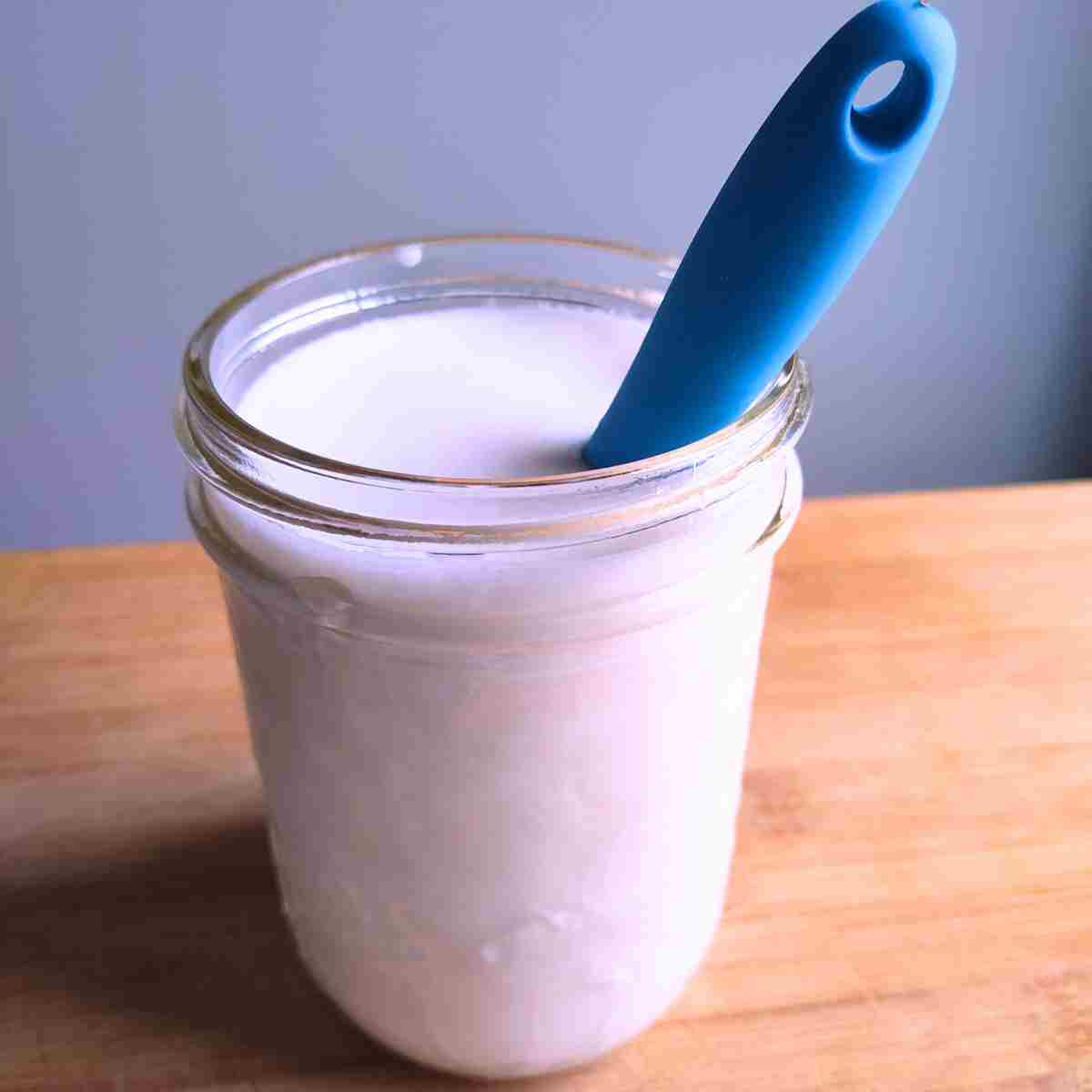
- Step 1: Pour heavy cream and buttermilk into a jar, then stir gently to combine.
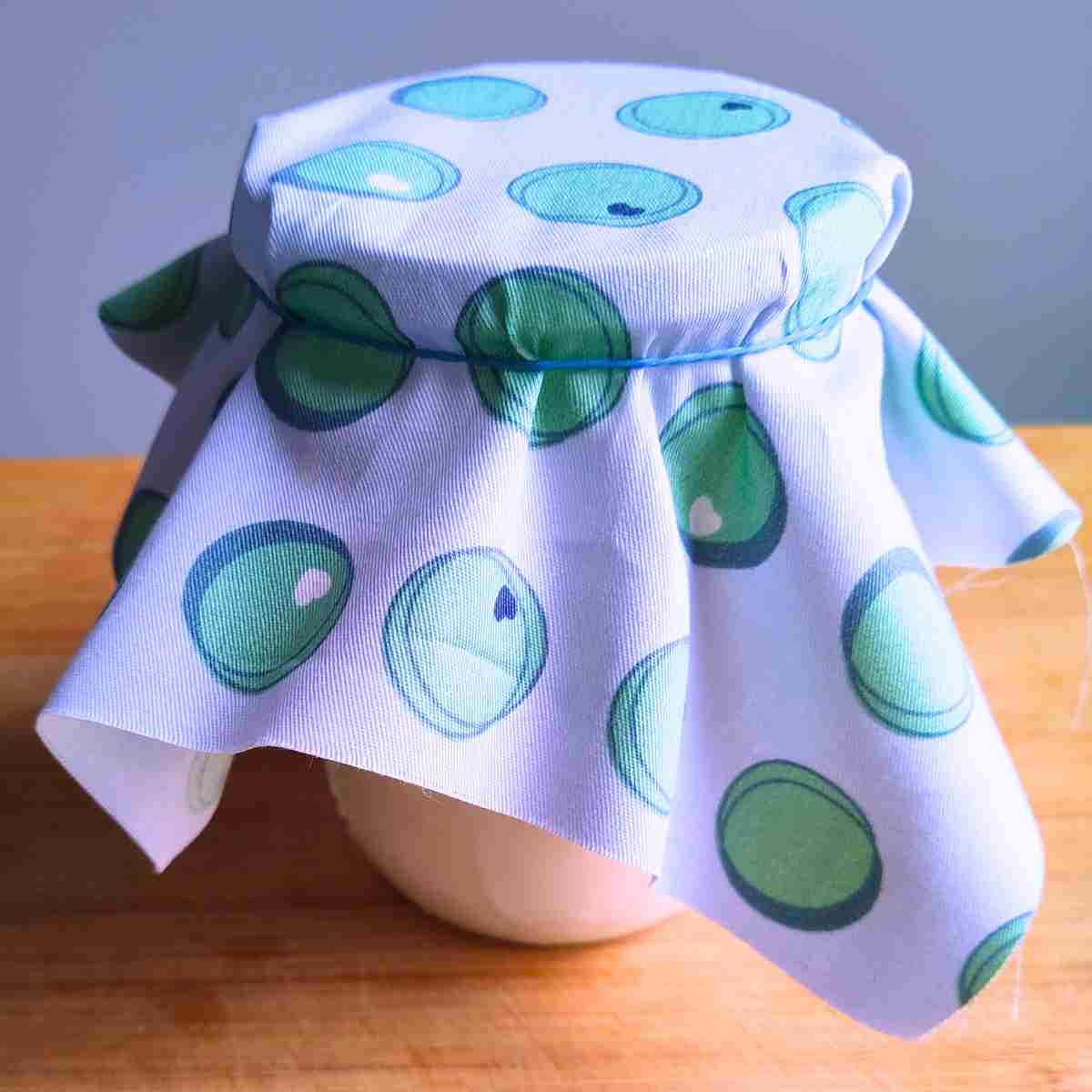
- Step 2: After being well stirred, cover with a cloth and hold it tightly with an elastic or tie with a string.
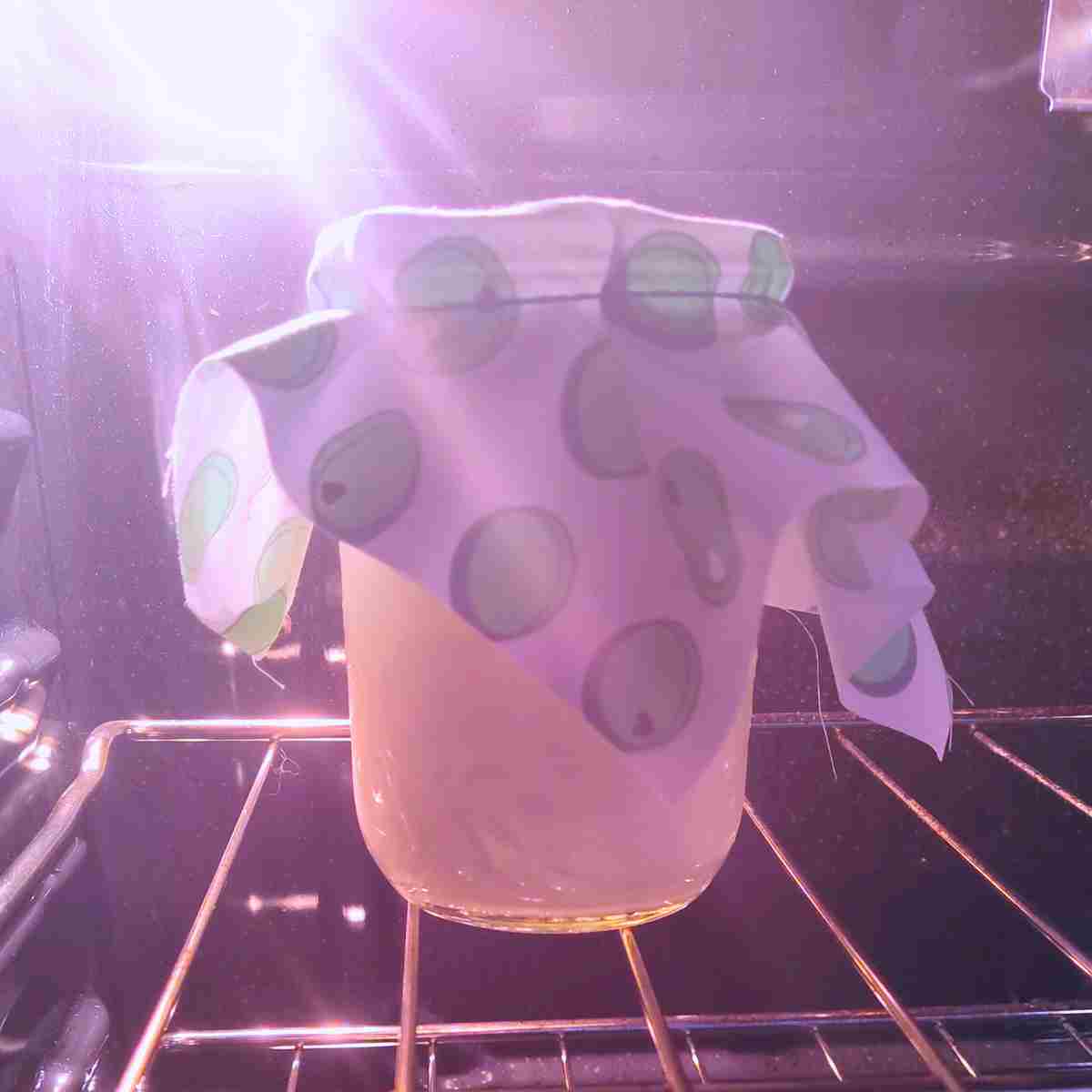
- Step 3: Place the culture on the counter. If your kitchen is colder than 70°F/21°C, wrap it in a towel or place it in the oven with the light on for 12-24 hours.
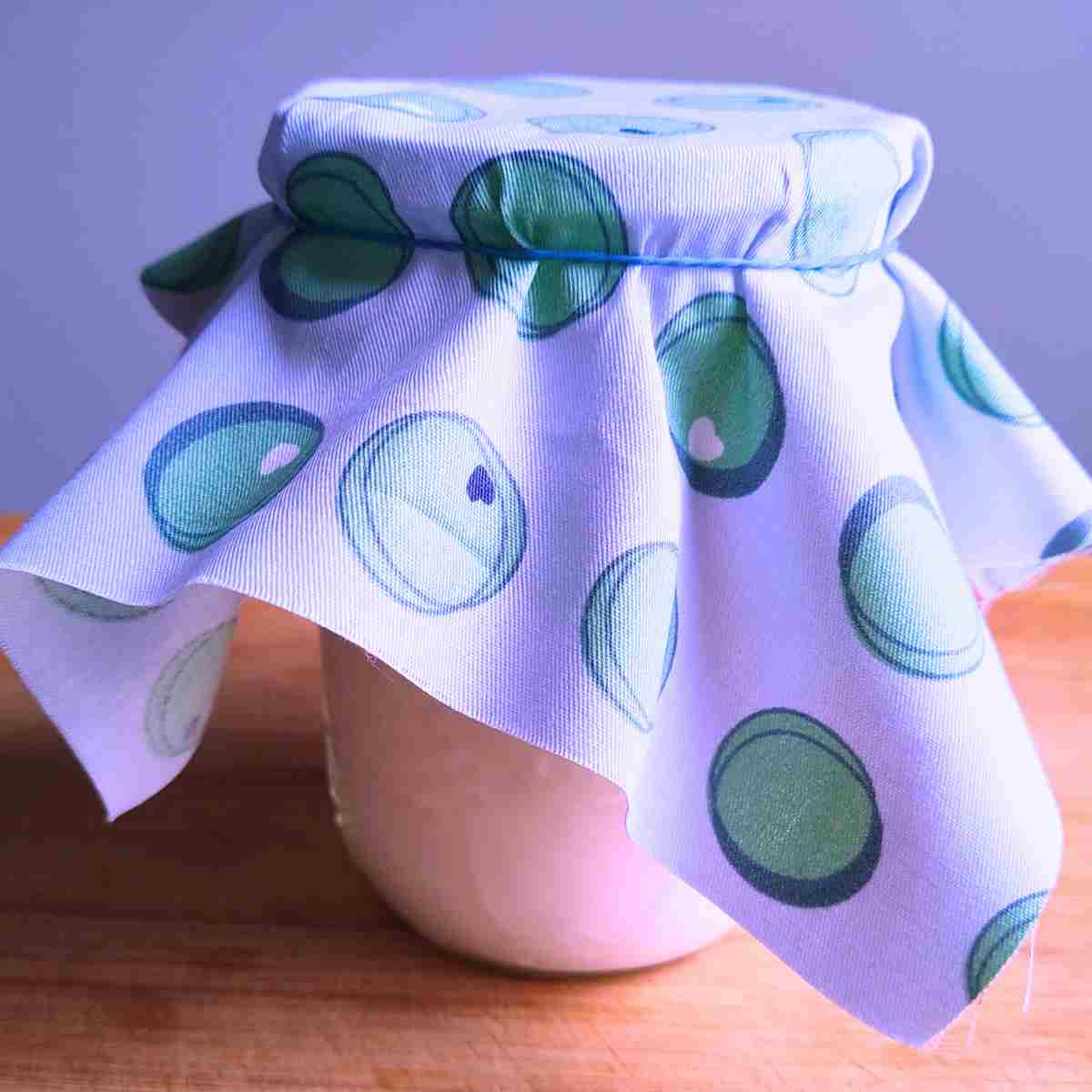
- Step 4: When thick and the culture is tangy, place the jar in the fridge. This will significantly stop the process, but allow it to slightly continue in the cold fridge, which gives it a long life.
Hint: If your kitchen is chilly, wrap the jar in a tea towel, or, as I do, place it in the oven with the light on.
🍽️ Crème Fraîche Uses
The ways to use this exquisite French food are almost endless! Here are a few that will help you get started.
- Dollop on soups (potato leek, French onion) any of these Classic French Soups.
- Swirl into sauces for chicken or fish, such as Coronation Chicken (served at Queen Elizabeth's coronation in 1953), and Chicken With Apple Cream Sauce.
- Spoon over fresh berries, tarts, or clafoutis, such as Cherry Clafoutis.
- Partner with Stuffed Tomato, Duck Rillettes, serve on the side with pâté; Chicken Liver Pâté, Salmon Pâté, Pâté de Campagne.
- Decadent potato recipes, as only French meals include like Tartiflette and Pommes Aligot.
- Egg recipes such as Leek and Gruyère Flan.
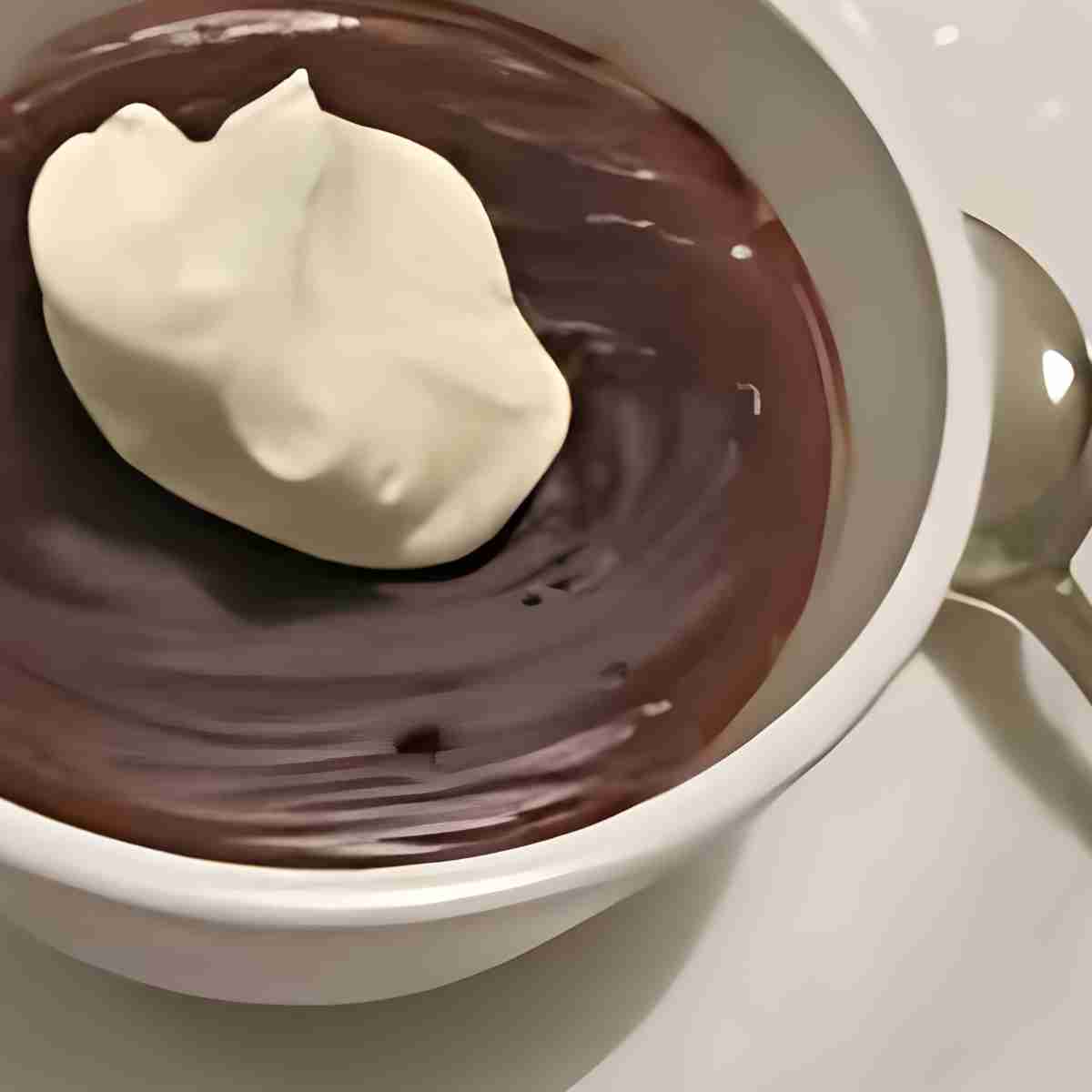
- Makes typical French dessert dishes even more luscious: French Chocolate Mousse, Galette des Rois, or French Apple Tart.
- Use it in curries for a French touch instead of yogurt, as in Chicken and Vegetable Curry and Easy Chicken Curry.
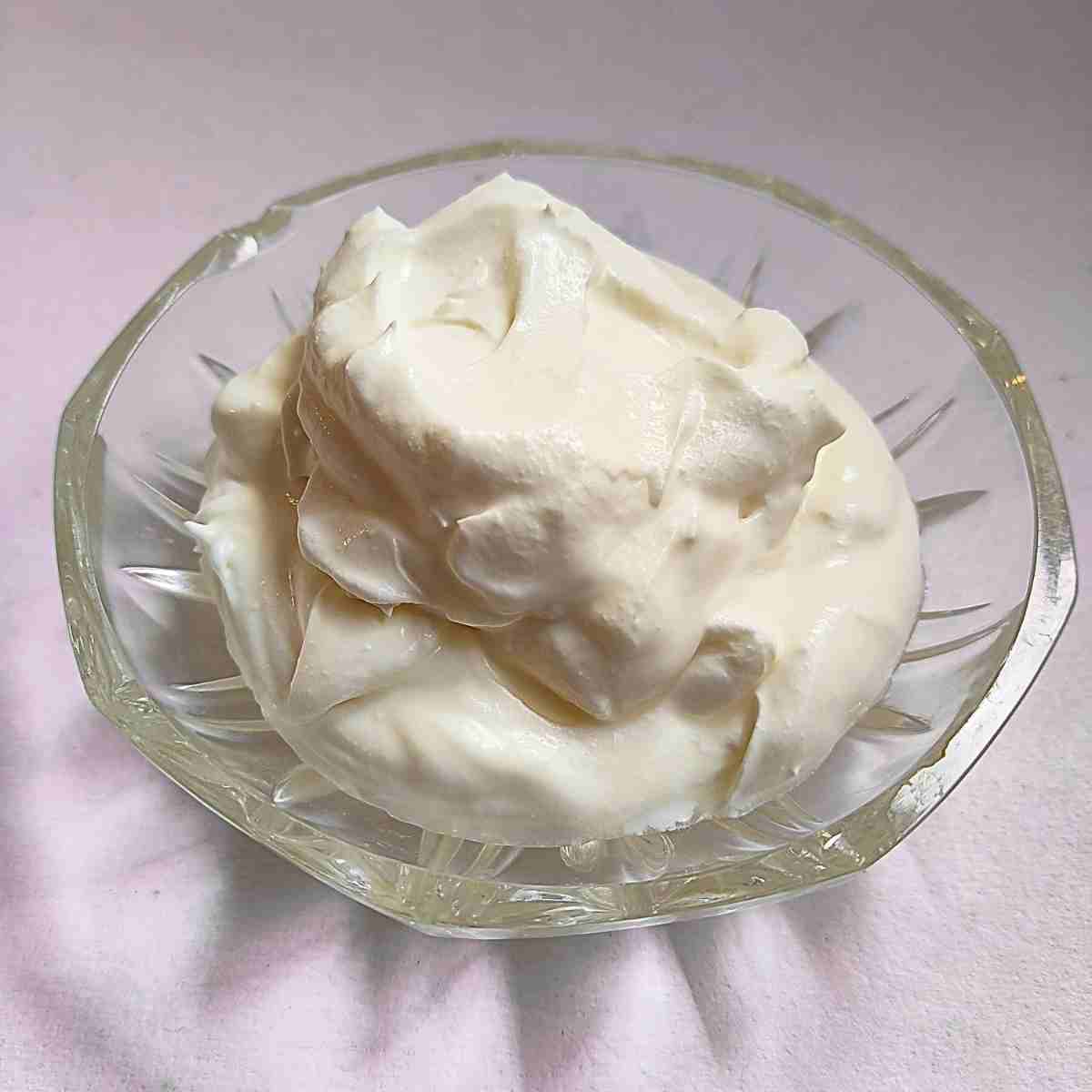
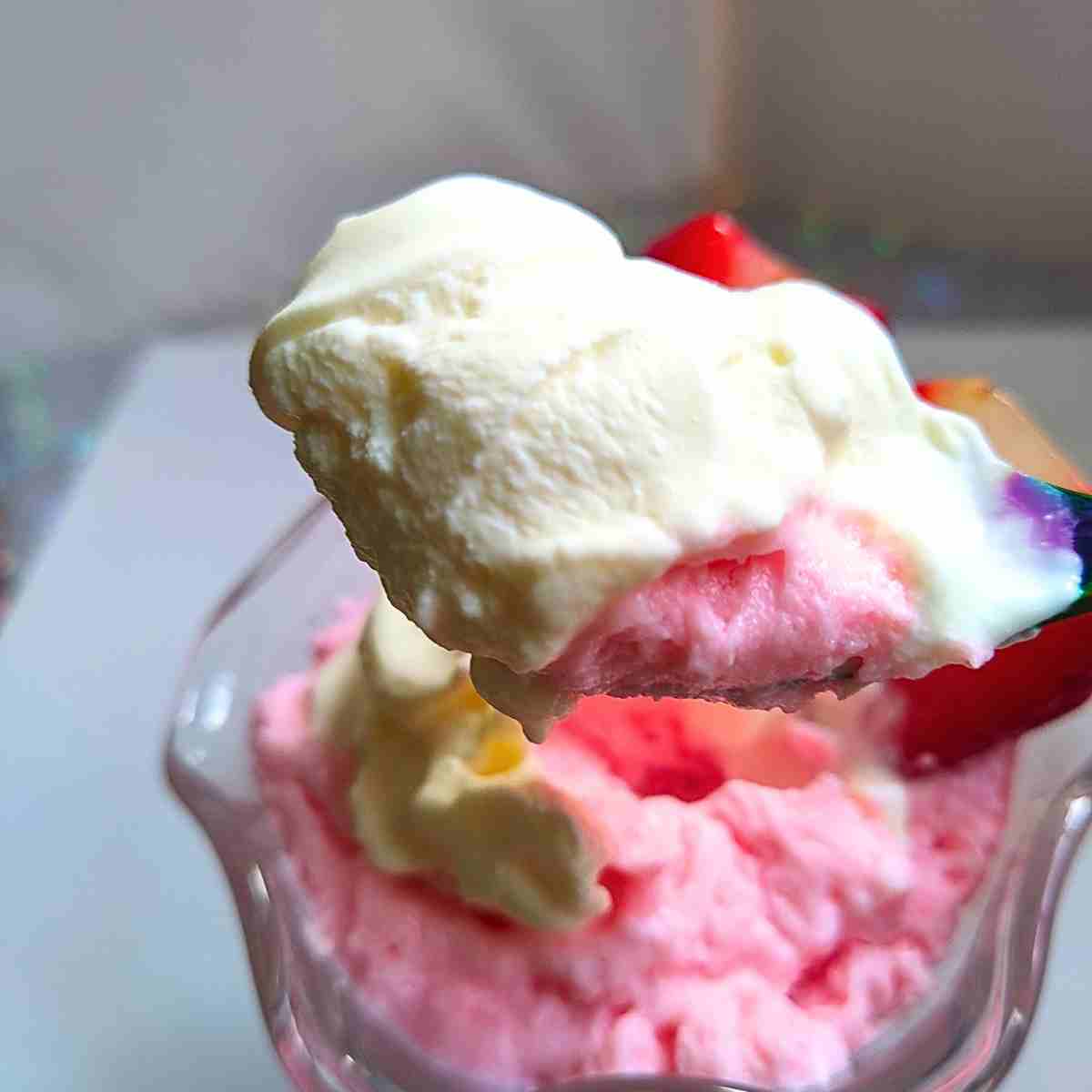
- Fold crème fraîche and whipped cream together to help the whipped cream be more stable, preventing it from collapsing or becoming watery so quickly. The whipped cream will take on a slight tanginess from the crème fraîche and make it denser and satiny. A lovely combination of the best qualities of both.
🌟Bonus Idea: Try flavor layering by adding herbs (like chives or dill) after refrigeration, which creates instant flavored crème fraîche.
⚖️Crème Fraîche vs Sour Cream
Both foods have their benefits and uses in recipes.
- Both add richness and tang to dishes, but in different ways.
- They are both used in sweet and savory foods.
- Don't use metal utensils or containers, unless they are stainless steel, as they will create a reaction that taints both foods, making them taste off, discolor, and unhealthy to consume.
- Used as toppings or cold dressings, they are pretty much the same, and it's your choice.
Crème Fraîche
- heat stable - will not curdle
- suitable for hot and cold foods
- less tangy because of high fat content, 30-40%
- richer in texture
- difficult to find in North American grocery stores, but readily available in France and the UK
Sour Cream
- not heat stable - will likely curdle and separate
- more suitable for cold foods
- very tangy because of a lower fat content, 20%
- not as rich in texture
- readily available in most North American grocery stores and somewhat in the UK, less so in France
🍷 Wine Pairing
- With savory dishes: Chardonnay or Sancerre.
- With desserts: Champagne or Moscato d'Asti.
- With berries: a light Rosé from Provence.
🧊 Storage
- Fridge: Keeps for up to 10 days in a sealed jar, but I have kept mine much longer. Store-bought crème fraîche can keep for 6-8 weeks.
- Freezer: Not recommended as the texture will change. It may separate when unthawed; if so, give it a good whisking without frothing or adding air, but no promises. If you must, freeze for up to 2 months.
💡Top Tips
- Always use pasteurized cream, not ultra-pasteurized-it cultures better.
- Stir gently; overmixing can break the texture, and you don't want to introduce air bubbles.
- Taste daily while culturing-stop when tangy enough for your palate. But 12-24 hours should be sufficient.
- Crème fraîche too thin? Strain it through a cloth for a few hours. But don't throw out the liquid, as it can be used in other ways, like baking.
🤫 Secrets
- The longer it sits, the tangier it gets.
- A pinch of salt before refrigeration enhances flavor.
❔Crème Fraîche FAQs
Crème fraîche is white or slightly off white in color and is a fermented food, which means it will have a long life as long as outside bacteria have not been introduced. If the color has changed to yellow, then it is probably bad and will smell acidic or rancid. Taste a little, and if it tastes fine, then it probably is fine.
Yes, use yogurt or kefir milk with live cultures, but flavor will differ slightly.
It should be thick, spoonable, and smell pleasantly tangy, not sour or spoiled.
Absolutely! Unlike sour cream, it won't curdle when heated, making it perfect for sauces. The reason French chefs love using it to cook.
✨What does this pair with?
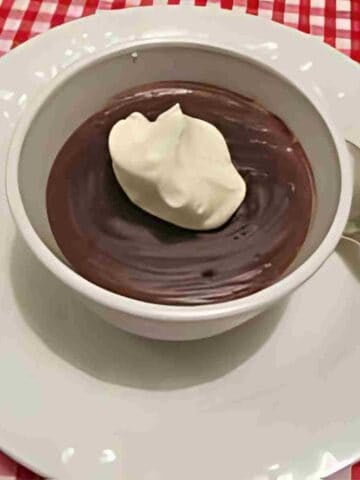
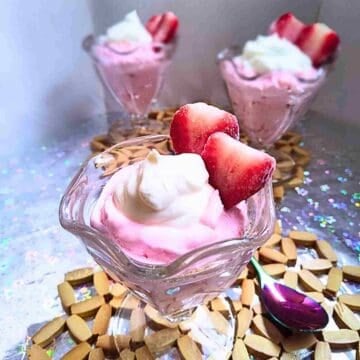
These are my favorite dishes to serve with crème fraîche in or on them!



If you tried this Crème Fraîche recipe or any other recipe on my blog, please leave a 🌟 star rating and let me know how it went in the comments below. Très Bien!!!
📖 Recipe
Crème Fraîche Recipe
Ingredients
- 2 cups heavy cream 35%+ cream
- 3 tablespoons cultured buttermilk
- Yield is 1 cup = 8 servings 2 tablespoons each
Instructions
- Pour 1 cup heavy cream into a clean jar.
- Add 2 tablespoons cultured buttermilk. Stir gently, no whisking frenzy, just a calm swirl.
- Cover loosely with a lid or cloth.
- Leave at room temperature (around 70°F/21°C) for 12-24 hours. Check: it should be thickened and slightly tangy.
- Stir, seal, and refrigerate. Voilà-authentic crème fraîche!
Notes
- Always use pasteurized cream, not ultra-pasteurized-it cultures better.
- Stir gently; overmixing can break the texture, and you don't want to fill it with air bubbles.
- Taste daily while culturing-stop when tangy enough for your palate. But 12-24 hours should be sufficient.
- Crème fraîche too thin? Strain it through a cloth for a few hours. But don't throw out the liquid, as it can be used in other ways, like baking.
- If your kitchen is chilly, wrap the jar in a tea towel, or, as I do, place it in the oven with the light on.
- Try flavor layering by adding herbs (like chives or dill) after refrigeration, which creates instant flavored crème fraîche.
- Use less buttermilk for a thinner result and more for a firmer finish.
Nutrition



Judith says
Crème fraîche is one of the biggest secrets of French cooking. This luxurious cream is like magic in the kitchen, giving dishes creamy richness that does not collapse over time like other dairy products or break down when added to hot food. And, it is easy to make at home with ingredients readily available in supermarkets everywhere. Everyone who loves French food should make it! 💖